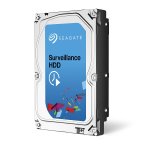
An AV drive is designed to IGNORE data errors, whereas a 'normal' hard drive will attempt to re-read/re-write problem sectors for a set period (up to 15 seconds, depending on the drive) until the internal checksums shows the data is consistent. For a desktop drive this is what you what - it makes sure the drive stores and recalls the correct information. However as the drive is unresponsive for the retry period, it could cause a blip in the video if used to record an AV stream. As a result AV drives ignore any errors and just keep going - a small artifact in a video is preferable to a break in the stream. Such an error could have a huge impact to system stability if it occurs in an OS file though, or it could corrupt a photo or other document and render it useless.
Now you will probably never see these issues, at least while the drive is new. But they are not designed for use in desktop (or 'normal' RAID) systems as they can corrupt data. This is the reason why manufacturers make enterprise disks and video disks - the drive may be the same, but the error-handling firmware is different.
GoNz017 to sparx1981
25 May 173#4
It will be fine, it is designed to have data constantly written so it should last a long time in a PC
All comments (21)
happymanuk
25 May 17#1
Showing as 'Out of Stock'
moneybanks14
25 May 171#2
Temp out of stock.. Cracking price though.
sparx1981
25 May 17#3
Good price but it's an AV drive. Not designed for your typical desktop storage although it may well be fine.
GoNz017 to sparx1981
25 May 173#4
It will be fine, it is designed to have data constantly written so it should last a long time in a PC
ws007
25 May 172#5
seagate :disappointed:
ritchie1
25 May 17#6
I don't get why they have a version specifically for surveillance, what would be the downsides in using this as a NAS drive?
Shambles
25 May 171#7
Useful in a server (or NAS) setup - cracking price (if it actually ships).
937666
25 May 171#8
Hi Frank :smiley:
lilbeastie
25 May 1712#9
that's not really what makes it an AV drive.
An AV drive is designed to IGNORE data errors, whereas a 'normal' hard drive will attempt to re-read/re-write problem sectors for a set period (up to 15 seconds, depending on the drive) until the internal checksums shows the data is consistent. For a desktop drive this is what you what - it makes sure the drive stores and recalls the correct information. However as the drive is unresponsive for the retry period, it could cause a blip in the video if used to record an AV stream. As a result AV drives ignore any errors and just keep going - a small artifact in a video is preferable to a break in the stream. Such an error could have a huge impact to system stability if it occurs in an OS file though, or it could corrupt a photo or other document and render it useless.
Now you will probably never see these issues, at least while the drive is new. But they are not designed for use in desktop (or 'normal' RAID) systems as they can corrupt data. This is the reason why manufacturers make enterprise disks and video disks - the drive may be the same, but the error-handling firmware is different.

![Fresh Breakfast Meat Box (Using code) @ Campbells Meat [Haggis / Lorne Sausage / Bacon / Black Pudding & More]](/images/topics/208684_1.jpg)
































![[Xbox One] Q. u. b. e: Director's Cut on Deals with Gold](/images/topics/208716_1.jpg)














Opening post
Top comments
An AV drive is designed to IGNORE data errors, whereas a 'normal' hard drive will attempt to re-read/re-write problem sectors for a set period (up to 15 seconds, depending on the drive) until the internal checksums shows the data is consistent. For a desktop drive this is what you what - it makes sure the drive stores and recalls the correct information. However as the drive is unresponsive for the retry period, it could cause a blip in the video if used to record an AV stream. As a result AV drives ignore any errors and just keep going - a small artifact in a video is preferable to a break in the stream. Such an error could have a huge impact to system stability if it occurs in an OS file though, or it could corrupt a photo or other document and render it useless.
Now you will probably never see these issues, at least while the drive is new. But they are not designed for use in desktop (or 'normal' RAID) systems as they can corrupt data. This is the reason why manufacturers make enterprise disks and video disks - the drive may be the same, but the error-handling firmware is different.
All comments (21)
An AV drive is designed to IGNORE data errors, whereas a 'normal' hard drive will attempt to re-read/re-write problem sectors for a set period (up to 15 seconds, depending on the drive) until the internal checksums shows the data is consistent. For a desktop drive this is what you what - it makes sure the drive stores and recalls the correct information. However as the drive is unresponsive for the retry period, it could cause a blip in the video if used to record an AV stream. As a result AV drives ignore any errors and just keep going - a small artifact in a video is preferable to a break in the stream. Such an error could have a huge impact to system stability if it occurs in an OS file though, or it could corrupt a photo or other document and render it useless.
Now you will probably never see these issues, at least while the drive is new. But they are not designed for use in desktop (or 'normal' RAID) systems as they can corrupt data. This is the reason why manufacturers make enterprise disks and video disks - the drive may be the same, but the error-handling firmware is different.