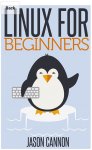
Linux for Beginners doesn't make any assumptions about your background or knowledge of Linux. You need no prior knowledge to benefit from this book. You will be guided step by step using a logical and systematic approach. As new concepts, commands, or jargon are encountered they are explained in plain language, making it easy for anyone to understand.
Here is what you will learn by reading Linux for Beginners:
How to get access to a Linux server if you don't already.
What a Linux distribution is and which one to choose.
What software is needed to connect to Linux from Mac and Windows computers. Screenshots included.
What SSH is and how to use it, including creating and using SSH keys.
The file system layout of Linux systems and where to find programs, configurations, and documentation.
The basic Linux commands you'll use most often.
Creating, renaming, moving, and deleting directories.
Listing, reading, creating, editing, copying, and deleting files.
Exactly how permissions work and how to decipher the most cryptic Linux permissions with ease.
How to use the nano, vi, and emacs editors.
Two methods to search for files and directories.
How to compare the contents of files.
What pipes are, why they are useful, and how to use them.
How to compress files to save space and make transferring data easy.
How and why to redirect input and output from applications.
How to customize your shell prompt.
How to be efficient at the command line by using aliases, tab completion, and your shell history.
How to schedule and automate jobs using cron.
How to switch users and run processes as others.
Where to go for even more in-depth coverage on each topic.
Linux Administration: The Linux Operating System and Command Line Guide for Linux Administrators
If you're looking to make the jump from being a Linux user to being a Linux administrator, this book is for you! If you're in windows administration and want to learn the ins and outs of Linux administration, start here. This book is also great for Unix administrators switching to Linux administration.
Here is what you will learn by reading this Linux System Administration book:
How the the boot process works on Linux servers and what you can do to control it.
The various types of messages generated by a Linux system, where they're stored, and how to automatically prevent them from filling up your disks.
Disk management, partitioning, and file system creation.
Managing Linux users and groups.
Exactly how permissions work and how to decipher the most cryptic Linux permissions with ease.
Networking concepts that apply to system administration and specifically how to configure Linux network interfaces.
How to use the nano, vi, and emacs editors.
How to schedule and automate jobs using cron.
How to switch users and run processes as others.
How to configure sudo.
How to find and install software.
Managing process and jobs.
How to make the most out of the Linux command line and Linux operating system.
Several Linux commands you'll need to know.
Linux shell scripting.
What you learn in book applies to any Linux system including Ubuntu Linux, Debian, Linux Mint, RedHat Linux, CentOS, Fedora, SUSE Linux, Arch Linux, Kali Linux and more.
![Fresh Breakfast Meat Box (Using code) @ Campbells Meat [Haggis / Lorne Sausage / Bacon / Black Pudding & More]](/images/topics/208684_1.jpg)





















![[Xbox One] Q. u. b. e: Director's Cut on Deals with Gold](/images/topics/208716_1.jpg)











Opening post
Linux for Begginers:
Linux for Beginners doesn't make any assumptions about your background or knowledge of Linux. You need no prior knowledge to benefit from this book. You will be guided step by step using a logical and systematic approach. As new concepts, commands, or jargon are encountered they are explained in plain language, making it easy for anyone to understand.
Here is what you will learn by reading Linux for Beginners:
How to get access to a Linux server if you don't already.
What a Linux distribution is and which one to choose.
What software is needed to connect to Linux from Mac and Windows computers. Screenshots included.
What SSH is and how to use it, including creating and using SSH keys.
The file system layout of Linux systems and where to find programs, configurations, and documentation.
The basic Linux commands you'll use most often.
Creating, renaming, moving, and deleting directories.
Listing, reading, creating, editing, copying, and deleting files.
Exactly how permissions work and how to decipher the most cryptic Linux permissions with ease.
How to use the nano, vi, and emacs editors.
Two methods to search for files and directories.
How to compare the contents of files.
What pipes are, why they are useful, and how to use them.
How to compress files to save space and make transferring data easy.
How and why to redirect input and output from applications.
How to customize your shell prompt.
How to be efficient at the command line by using aliases, tab completion, and your shell history.
How to schedule and automate jobs using cron.
How to switch users and run processes as others.
Where to go for even more in-depth coverage on each topic.
Linux Administration: The Linux Operating System and Command Line Guide for Linux Administrators
https://www.amazon.co.uk/dp/B01BJ8GCPS/
If you're looking to make the jump from being a Linux user to being a Linux administrator, this book is for you! If you're in windows administration and want to learn the ins and outs of Linux administration, start here. This book is also great for Unix administrators switching to Linux administration.
Here is what you will learn by reading this Linux System Administration book:
How the the boot process works on Linux servers and what you can do to control it.
The various types of messages generated by a Linux system, where they're stored, and how to automatically prevent them from filling up your disks.
Disk management, partitioning, and file system creation.
Managing Linux users and groups.
Exactly how permissions work and how to decipher the most cryptic Linux permissions with ease.
Networking concepts that apply to system administration and specifically how to configure Linux network interfaces.
How to use the nano, vi, and emacs editors.
How to schedule and automate jobs using cron.
How to switch users and run processes as others.
How to configure sudo.
How to find and install software.
Managing process and jobs.
How to make the most out of the Linux command line and Linux operating system.
Several Linux commands you'll need to know.
Linux shell scripting.
What you learn in book applies to any Linux system including Ubuntu Linux, Debian, Linux Mint, RedHat Linux, CentOS, Fedora, SUSE Linux, Arch Linux, Kali Linux and more.
8 comments